A beach is easy to sell. A teacher training is harder, because for weeks you will study, sweat, sleep in a new place and teach other people. The useful question is whether this place will help you finish and learn.
Here is our honest answer, including the parts brochures skip. We run our training in Jamaica, so we are not neutral, and we have tried to say plainly who it does not suit.
The short answer
Jamaica is a good place for teacher training if you want to leave your routine, can handle tropical heat, and are happy to prepare for travel. It is a poor fit if you need a city nearby, cannot be away from home for several weeks, or want a trip with no planning. Decide on those practical points, not on the photos.
What are the real advantages of training in Jamaica?
Many people find the main gain is distance from daily life. Stepping out of your routine for weeks can make it easier to focus on one thing.
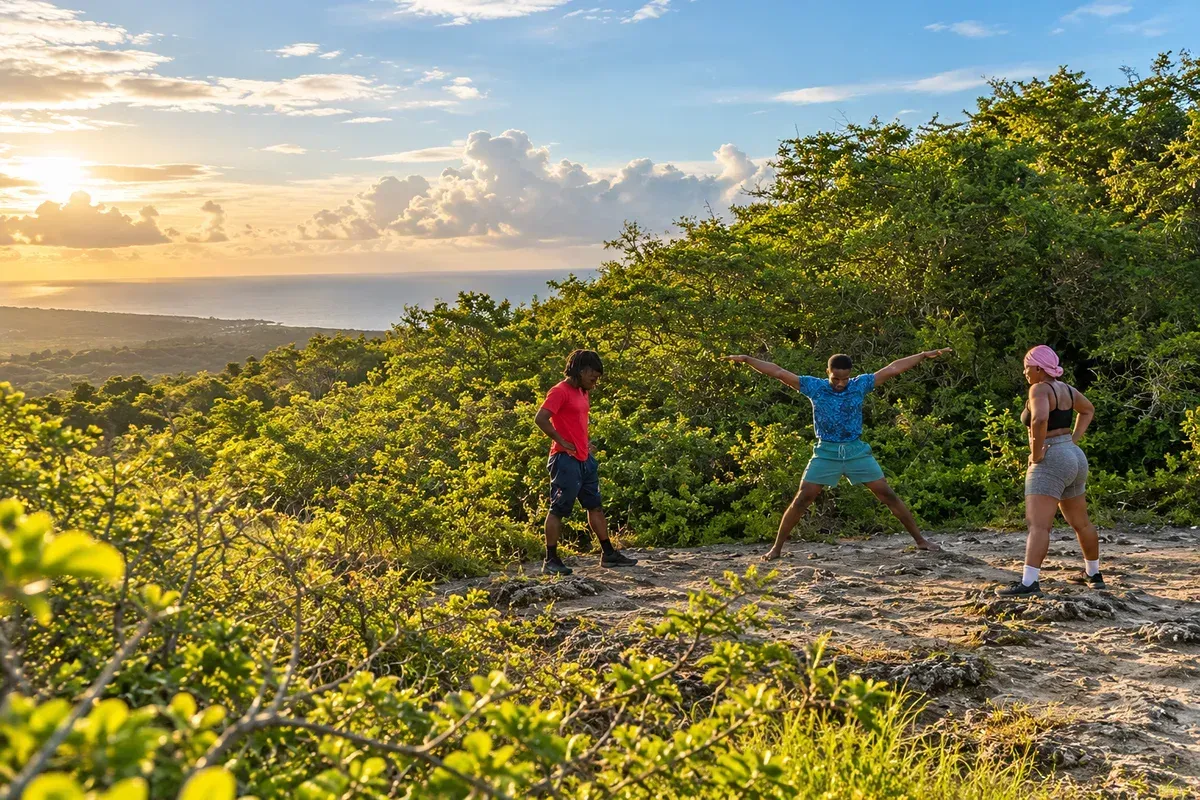
Our training takes place at the YAI Wellness Oasis, an oceanfront setting in Pondside, Yallahs, St. Thomas, about 40 minutes from Kingston.
A few more reasons people choose it:
- Practice teaching built into the course, with feedback
- Visa rules depend on your passport. Check the current rule on Visit Jamaica
What are the honest downsides?
Heat, distance and prep work. None is a dealbreaker, and all are easier when you know them in advance.
Heat. It is a tropical island, and you will practice in it. The CDC's Jamaica page advises loose, lightweight clothing, regular food and water, and less physical activity during high temperatures. If you wilt in warm weather, say so on your call.
Distance. Nearby is not the same as close. The Oasis is about 40 minutes from Kingston, so allow extra time after you land at Norman Manley International Airport.
A quiet setting. The Oasis is in Pondside, Yallahs, not in a city. If you want city services close by, plan for that.
Mosquitoes. The CDC says mosquito bites can spread dengue and Zika. It suggests covering exposed skin, using repellent, and staying in air-conditioned or screened rooms.
What do you need to arrange before you go?
Most of it is paperwork and a doctor's visit. Start early, as some steps can take time.
- Passport. Visit Jamaica says U.S. travelers need a passport valid at entry and exit. That page covers U.S., Canadian and U.K. travelers. If you hold another passport, confirm the rule with an official source.
- Online customs form. Air travelers each complete the C5 form online. The page says it is free and can be filed up to 30 days before your trip. Beware paid look-alike sites.
- Onward ticket. Visit Jamaica says visitors must show a return or onward ticket.
- Health visit. The CDC's Jamaica page says to be up to date on routine vaccines and recommends hepatitis A for unvaccinated travelers. Your doctor or a travel clinic can tailor advice to you.
- Insurance and medicines. Bring enough of any regular medication for the whole stay, and ask your insurer what travel cover includes.
Rules change, so confirm each item with the official source before you book flights.
What does it really cost to train in Jamaica?
Tuition is $3,000. Accommodation and meals are arranged separately, and so are flights and insurance. Instalment plans are available, so ask us for the current one.
Tuition is only part of the budget, so we list the extras up front. Our cost guide walks you through building a full budget.
Who is Jamaica right for, and who should skip it?
| This may suit you if | Think twice if |
|---|---|
| You want to step out of daily life and focus | You cannot be away from work or family for the full stretch |
| You are comfortable in heat and humidity | Heat leaves you exhausted or unwell |
| You enjoy simple, quiet surroundings | You need city services close by |
| You can plan paperwork and travel ahead | You want a last-minute, no-prep trip |
| You like learning in a steady group | You prefer to study alone at home |
If you land mostly on the right-hand side, a hybrid or online option may fit better. Both are available on request, and we would rather help you pick the right format than fill a seat.
How does our training work in practice?
Our 200-hour training runs six weeks, in person at the Oasis. You can read the outline and see upcoming dates on our 200-hour training page. For how the length compares with other formats, see how long a 200-hour training should be.
If you are weighing the season, our guide to the best time for a yoga retreat in Jamaica covers the weather. And for a feel of the area, there is a list of things to do in St. Thomas.
Frequently asked questions
Is a visa needed to train in Jamaica?
Visa rules depend on your passport, so check the current rule on Visit Jamaica or with the Jamaican immigration office before you book. You do need a valid passport and the online C5 form. If you hold another passport, confirm the rule with an official source.
Is Jamaica safe for a long stay?
We cannot give a blanket answer, and no place deserves one. Check your government's current travel advice before booking, and ask us about the area, transport and daily routine at the Oasis. The ocean can change quickly, so we ask guests to follow our water safety guidance.
Will the heat make training too hard?
It can, if you are not used to it. The CDC advises regular food and water, loose clothing and less activity at the hottest times. Tell us about any health concerns before you apply, and talk with your doctor.
Can the training be done online instead?
Yes. The in-person training is in Jamaica, and hybrid and online options are also available. Book a call and we will talk through which format fits your life.
Are meals and a place to stay included?
No. Tuition covers the training. On-site accommodation is available at the Oasis and is arranged separately, as are meals, so ask about options on your call.